















Generic selectors
Exact matches only
Search in title
Search in content
Post Type Selectors

Custom Prior Authorization Software for Providers, Hospitals and RCM Teams

Prior authorization management software is a secure platform that helps providers, hospitals, specialty groups and RCM teams determine whether authorization is required, verify patient eligibility, collect clinical documentation, submit requests electronically, track payer decisions and synchronize approval status with EHR and practice management systems. OSP can build custom prior authorization software tailored to each organization’s payer mix, workflows and system environment.

Manual prior authorization creates bottlenecks – staff calling payer portals, chasing documentation, entering data twice and losing track of pending requests. Custom prior auth automation software addresses this by automating task queues, auto-filling patient and provider data from EHR/PM systems, applying payer-specific rule checks before submission, routing requests to the correct payer via prior authorization API integration, clearinghouse, EDI or FHIR and alerting teams when follow-up is needed.

OSP can scope prior authorization software development around your organization’s authorization volume, payer mix, EHR and PM systems, specialty workflows, documentation rules, status tracking requirements and rollout timeline. Whether you need a standalone electronic prior authorization platform or an integrated PA module within your broader revenue cycle or EHR workflow, OSP can deliver a practical, deliverable-led solution.

Solution
Build Prior Authorization Software

Prior Authorization Software Modules for RCM Workflows

OSP can build each prior authorization integration and workflow as a configured module or a fully connected prior authorization solutions platform that will be scoped around your payer requirements, EHR environment and authorization volume.

OSP can build real-time eligibility verification modules that automatically check coverage, confirm payer-specific PA requirements and validate patient and provider data before a request is submitted. Front-desk staff, care coordinators and authorization specialists get instant payer rule lookups, missing-field alerts and auto-filled demographics from the connected EHR or PM system. This reduces manual portal logins and eliminates coverage errors before authorization is requested. Healthcare Payer API, clearinghouse and eligibility system integration means teams work from a single screen rather than juggling multiple payer portals.

OSP can build prior authorization medical necessity automation modules that check documentation completeness, diagnosis and procedure code alignment, payer criteria matching and CMN tracking before a request leaves the system, covering clinical documentation automation for prior authorization across specialties. Authorization teams, coders and clinical staff get real-time alerts for missing evidence, unsupported codes or incomplete supporting documentation. This captures avoidable denial triggers at the pre-submission stage rather than after the payer rejects the request. Speciality workflows for radiology, infusion, surgery, DME and high-volume procedures can each carry their own payer rule sets and documentation checklists.

OSP can build prior authorization process automation that creates task queues, auto-fills patient and provider details from EHR/PM data, routes requests to the correct payer channel, sends reminders for pending follow-up and escalates stalled  authorization to the right team member – enabling prior authorization submission automation end to end. Staff can stop doing manual data entry and portal lookups for routine requests and focus instead on exceptions, complex cases and appeals that require judgement. Configurable rule engines let organizations set automation logic by specialty, payer, procedure type and urgency level, without needing IT involvement for every rule update.

OSP can build PA request validation and prior authorization RPA modules that check demographic data accuracy, diagnosis and procedure code alignment, payer field completeness, missing attachments and clinical note gaps before submission. Authorization teams get a pre-submission scrub report that flags every inconsistency so staff can correct issues before the request reaches the payer. This reduces the manual rework that follows a rejection and shortens turnaround time for urgent procedures. Validation logic can be configured by payer, specialty and procedure type so scrubbing rules stay current as payer requirements change.

OSP can build EHR prior authorization automation and integration software that connects with EHR and practice management systems via API, FHIR, HL7 or direct interface. It pulls patient demographics, order diagnoses, CPT and HCPCS codes, lab results and imaging from the EHR and pushes payer authorization status and approval details back. Teams get a connected PA workflow without duplicate data entry or context-switching between systems. EHR prior authorization integration and electronic prior authorization submission via EDI 278, FHIR and payer API ensures each request reaches the correct payer channel in the format they require. Payer API, clearinghouse, EDI 278 and FHIR-based submission options are built into the integration layer to match each payer’s preferred connectivity method.

Benefits

Custom prior authorization software delivers value where PA teams lose the most time - manual portal lookups, documentation gaps, delayed submission and unclear payer status.

OSP can build PA software that automates eligibility checks, pre-submission validation and payer routing so authorization requests reach the correct reviewer faster. Fewer manual steps mean shorter approval cycles and prior authorization turnaround time reduction can reduce patient wait times and less risk of delayed, cancelled or rescheduled procedures caused by missing, expired or incomplete prior authorization.

Automated task queues, auto-fill from EHR data, payer rule checks and status tracking deliver prior authorization cost reduction and improved prior authorization staff productivity by eliminating the manual phone calls, portal logins and data re-entry that slow PA teams down. Staff can handle higher authorization volumes with the same headcount and focus time on complex cases and payer follow-up instead of routine data entry.

Prior authorization denial automation through pre-submission scrubbing and medical necessity validation catch documentation gaps, mismatched diagnosis codes and missing supporting evidence before a request is submitted. Organizations that catch these issues at the PA stage avoid the downstream rework of re-authorizations, additional payer documentation requests, appeal letters and claim delays caused by a payer rejection - achieving meaningful prior authorization denial reduction.

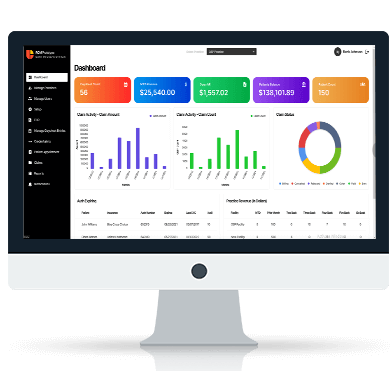
OSP can build real-time prior authorization dashboards and notification workflows that give authorization teams, care coordinators and front-desk staff real-time visibility into every pending, approved, denied and expiring PA request. This prior authorization tracking automation and prior authorization status tracking software prevents requests from going stale, slipping through the cracks or needing manual status checks across multiple payer portals.

Prior Authorization software connected to EHR, practice management and payer systems via API, FHIR and HL7 reduces duplicate data entry, keeps clinical and administrative data consistent and ensures payer responses feed back automatically into the workflow. Teams can manage the full PA lifecycle from a single platform without switching between disconnected tools.

Let's build your project

Strengthen Revenue Readiness Through Faster Prior Authorization

When prior authorization software catches missing approvals, documentation gaps and payer rule errors before a patient encounter, the billing stage starts with cleaner data. OSP can build PA software that connects eligibility checks, submission workflows and payer status tracking to your revenue cycle.

Discuss PA-to-RCM Workflow
dashboard

Prior Authorization Software Development Services

OSP can deliver prior authorization software as a scoped engagement from workflow discovery and payer rule configuration to EHR integration, validation and post-launch support.

Industry

Workflow Discovery and PA Scoping

  • Map current PA workflows across specialties, payer types and authorization volumes
  • Identify manual steps, documentation gaps and payer portal dependencies
  • Define EHR and PM integration points and payer connectivity requirements
  • Assess compliance needs, audit logging requirements and security controls
  • Develop a PA software roadmap with module priorities and integration plan
Industry

Payer Rule Configuration and Eligibility Automation

  • Configure payer-specific rule libraries, PA requirements and documentation
  • Build real-time eligibility check workflows connected to payer APIs and clearinghouses
  • Automate auto-fill of patient, provider and procedure data from EHR or PM
  • Set up PA requirement detection logic by payer, specialty and procedure code
  • Implement configurable rule update workflows as payer policies change
Industry

EHR/PM Integration and Payer Connectivity

  • Integrate PA software with EHR systems via FHIR, HL7, API or direct interface
  • Pull patient demographics, orders, diagnoses, CPT/HCPCS, notes and results automatically
  • Push authorization status and payer decisions back to EHR and PM workflows
  • Connect payer submission via API, EDI 278, clearinghouse or payer portal automation
  • Validate data mapping, transformation and exception handling before go-live
Industry

Validation, Testing and Compliance

  • Build pre-submission error scrubbing with payer field and documentation checks
  • Configure audit logs, role-based access and HIPAA-compliant data handling
  • Conduct integration testing, UAT and payer connectivity validation
  • Test medical necessity rule logic by specialty, procedure and payer combination
  • Deliver compliance documentation and security controls for PHI handling
Industry

Analytics, Reporting and Post-Launch Support

  • Build dashboards for approval rates, denial trends, turnaround times and payer performance
  • Configure escalation alerts, follow-up queues and expiring authorization notifications
  • Monitor system performance, integration health and workflow continuity post-launch
  • Provide payer rule updates, code-set maintenance and regulatory change support
  • Conduct staff training, documentation and ongoing optimization support

Our Core Services

Solutions We Offer

What Our Client Said

Industry Industry Industry Industry Industry Industry Industry Industry Industry Industry

Solutions We Delivered

case
     study logo

Mental Health PM+RCM Solution

Built a customized solution to improve revenue cycle and practice management workflows in a mental-health center.

55%

reduction in claims losses

card image
View Case Study
case study
     logo

Doctors on Demand Platform

Developed a telehealth platform with virtual streaming capabilities to improve care accessibility and patient engagement.

60%

improvement in home care experience

card image
View Case Study
case
     study logo

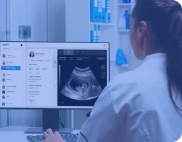
Ultrasound Analysis and Telehealth

Created an AI-powered ultrasound streaming solution with telehealth capabilities to solve real-time remote diagnosis challenges.

50%

improvement in diagnosing abnormalities
card image
View Case Study
case
     study logo

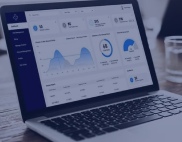
Advanced RPM With Telehealth

Integrated advanced RPM with telehealth and chatbot capabilities to improve chronic care and real-time tracking of patients.

60%

of patients reported a better overall experience
card image
View Case Study
case study
     logo

Suicide Risk Assessment and Prevention Software

Developed RPA-powered diagnostic tool to prevent suicide risks in veterans and foster clinical decision-making.

50%

improvement in diagnostic accuracy

card image
View Case Study
case
     study logo

Senior Home Care Management Solution

Developed a digital home care solution that improves patient-provider communication, remote care and care coordination.

50%

greater accuracy in health assessment

card image
View Case Study

Why Choose OSP for Prior Authorization Software Development

Prior Authorization Software Solution Icon

We Build PA Software Around Your Payer Mix and Workflows

OSP can build custom prior authorization software around each organization’s payer rules, specialty workflows, authorization volumes and EHR environment, not a genetic off-the-shelf PA tool that requires teams to adapt their workflows to fixed platform logic.

EHR and Practice Management Integration

We Connect PA to EHR, PM and Payer Systems Before Go-Live

OSP can integrate PA software with EHR and practice management systems via FHIR, HL7 and API and connects payer submission via API, EDI 278 and clearinghouse channels. Integration mapping and data validation are completed before launch so workflows run connected from day one.

We Automate Complete Healthcare Workflows, Not Isolated Tasks

We Automate Workflow Without Over-Promising AI

OSP can build PA workflow automation such as task queues, auto-fill, payer rule checks, submission routing and status alerts, that reduces manual work without misrepresenting automation as autonomous AI decision-making. Each automation layer is configurable and auditable.

We Treat Compliance and Audit Readiness as Build Requirements

We Treat Compliance as Architecture, Not an Add-On

Every OSP PA software build includes HIPAA-aligned access controls, PHI encryption, audit logs, role-based permissions and secure document exchange that is built into the system from the start rather than applied as a compliance layer after development is complete.

We Scope First and Stay On After Go-Live

We Scope Before We Build

OSP starts with workflow discovery: your authorization volume, payer mix, specialty rules, EHR touchpoints and documentation requirements. That discovery drives the software architecture, integration design and module priorities - so the delivered system fits actual workflows rather than generic PA assumptions.

We Stay Engaged Through Post-Launch, Not Just Through Cutover

We Support PA Software From Discovery Through Post-Launch

OSP can support prior authorization software projects from initial workflow scoping through payer rule configuration, EHR integration, UAT, go-live and ongoing support. It also includes payer rule updates, code-set maintenance and regulatory change management post-launch.

Get Your Prior Authorization Software Scope

Latest Talks

Author
Insight

Analyzing Healthcare through Embedded Criticality with Sachin Jain

Read More Hear
Author
Insight

HealthTech, Policy, and Challenges: HLTH Insights with Ben Leonard

Read More Hear
Author
Insight

Introducing Provider Revenue Cycle Management – Must-Have Features for Maximum ROI

Read More Hear
Author
Insight

Why Providers Should Leverage Patient Portals in Healthcare to Drive Better Performance and ROI

Read More Hear
Author
Insight

How to Improve Healthcare Revenue Cycle Management through Software Automation

Read More Hear
Author
Insight

5 Common Myths About Healthcare Revenue Cycle Management Debunked by the Experts

Read More Hear

Frequently Asked Questions

Hospitals gather patient information including medical history and insurance details, then submit an authorization request to the payer with the proposed treatment plan and supporting documents. After submission, they track status and follow up to ensure timely approval. Hospitals using prior authorization software streamline and automate these steps, reducing administrative burden, minimizing manual follow-up and improving overall efficiency across the authorization workflow.

Prior authorization software ensures accurate coding and documentation by validating diagnosis and procedure codes against payer-specific rules, checking documentation completeness before submission and alerting staff to missing or mismatched clinical evidence. Automated checks help providers submit comprehensive, accurate requests and identify issues before a request reaches the payer, reducing denials caused by documentation gaps or incorrect code assignments.

Healthcare pre-authorization software can check all the insurance requirements in real time and monitor the status of authorization requests, including approvals, denials and appeals. When the insurance company reviews an authorization request, the software updates the healthcare provider on whether the request is approved or denied. Additionally, it notifies healthcare providers if there are any pending requests or appeals. This all-inclusive management system ensures that authorization-related issues are resolved quickly and efficiently.

At OSP, we understand the importance of keeping patient information secure and confidential. Our custom software can ensure the safety and confidentiality of patient data during prior authorization processes through strict access controls and robust encryption methods. We perform regular security updates and comprehensive audit assessments, aligning with CMS requirements where applicable and HIPAA-aware safeguards to protect against unauthorized data breaches.

Automated prior authorization software streamlines the prior authorization process for healthcare providers by automating tasks such as gathering patient information, verifying insurance coverage, and making authorization requests. The approval process is made easier by minimizing errors, reducing paperwork, and providing real-time status updates. Also, the software conveniently integrates with the EHR system, facilitating the seamless transfer of patient data and documentation.

The key features to look for in prior authorization software are end-to-end automation to speed the insurance approval process, pre-check submissions to eliminate preventable errors, fast transactions so patients can get timely services, and ease in tracking prior authorization requests. Moreover, it should also be ascertained that patient information is managed with utmost security, with best-in-class security standards integrated into the software.

Prior authorization happens before care is delivered – confirming payer approval for a procedure, medication or service. Claim management begins after services are delivered and covers claim submission, adjudication, denial follow-up and payment workflows. PA software focuses on eligibility checks, documentation, payer rule validation, request submission and authorization tracking. Claims and denial management belong to separate RCM and billing workflows.

Prior authorization software connects to EHR and practice management systems via FHIR, HL7, API or direct interface – pulling patient demographics, orders, diagnoses, CPT and HCPCS codes and clinical notes automatically into PA workflows. Payer authorization status and approval details push back to the EHR and PM system without manual re-entry. OSP maps each integration point and validates data exchange before go-live.

Payer API integration connects PA software directly to payer systems for real-time eligibility checks, PA requirements lookups, request submission and authorization status retrieval. Teams avoid logging into multiple payer portals manually. OSP can build payer API, clearinghouse, EDI 278 and FHIR-based submission options into PA software depending on each payer’s preferred connectivity method and the organization’s technical environment.

Electronic prior authorization replaces phone calls, fax submissions and manual payer portal work with digital intake, document upload, payer submission, status tracking and automated follow-up. ePA reduces turnaround time, lowers administrative cost and creates an auditable record of every request. OSP builds ePA software for medical, pharmacy and specialty authorization workflows using API, FHIR, HL7 and clearinghouse connectivity. CMS-0057-F compliance and CMS-0057-F requirements mandate that payers support electronic prior authorization via FHIR APIs, making ePA adoption increasingly relevant for providers working with Medicare Advantage and Medicaid payers.

Prior authorization software reduces avoidable denials by catching documentation gaps, mismatched diagnosis and procedure codes, missing CMN or supporting evidence and payer field errors before a request is submitted. Pre-submission scrubbing and medical necessity validation check each request against payer-specific rules so teams correct issues at the PA stage rather than responding to payer rejections after submission.

Custom prior authorization software makes sense when an organization has high authorization volumes, specialty-specific payer rules, complex EHR and PM integration requirements or multi-payer workflows that generic platforms can’t configure without significant workarounds. OSP can build prior authorization software around each organization’s actual payer mix, specialties, EHR environment and workflow requirements rather than adapting clinical and administrative teams to a fixed tool’s limitations.

OSP builds PA software through workflow discovery, payer rule configuration, EHR and PM integration, pre-submission validation design, status tracking and dashboard development, UAT and payer connectivity testing, go-live support and post-launch maintenance. Each engagement is scoped to the organization’s authorization volume, payer mix, specialty rules, EHR environment and compliance requirements rather than applying a generic PA template across all clients.

Organizations choose OSP for PA workflow understanding, payer rule configuration experience, EHR and PM integration capability, HIPAA-compliant engineering and full lifecycle delivery. OSP builds custom prior authorization software – not outsourced PA staffing or manual services – so the platform fits each organization’s specific payer mix, specialty workflows, EHR environment and authorization volume requirements.

Yes. OSP can build prior authorization software for hospitals, health systems and specialty groups with configurable rule engines that support different payer requirements – delivering prior authorization automation for providers across, medical necessity criteria and documentation checklists by specialty – covering radiology, surgery, infusion, DME, specialty medications, behavioral health and high-volume procedure types. Payer connectivity options include API, FHIR, HL7, EDI 278 and clearinghouse channels depending on each payer’s submission requirements.

Schedule A Call
©2026 OSP. All Rights Reserved.